
Supervision
What is supervision?
Supervision is a structured, professional process that allows you to reflect on and develop your personal and professional competencies. This process helps you better understand your practice, manage challenges, and make more informed decisions.
Supervision is widely used in many fields such as social work, healthcare, education, correctional services, and other areas. It is a valuable resource that supports learning, promotes development, and reduces stress.
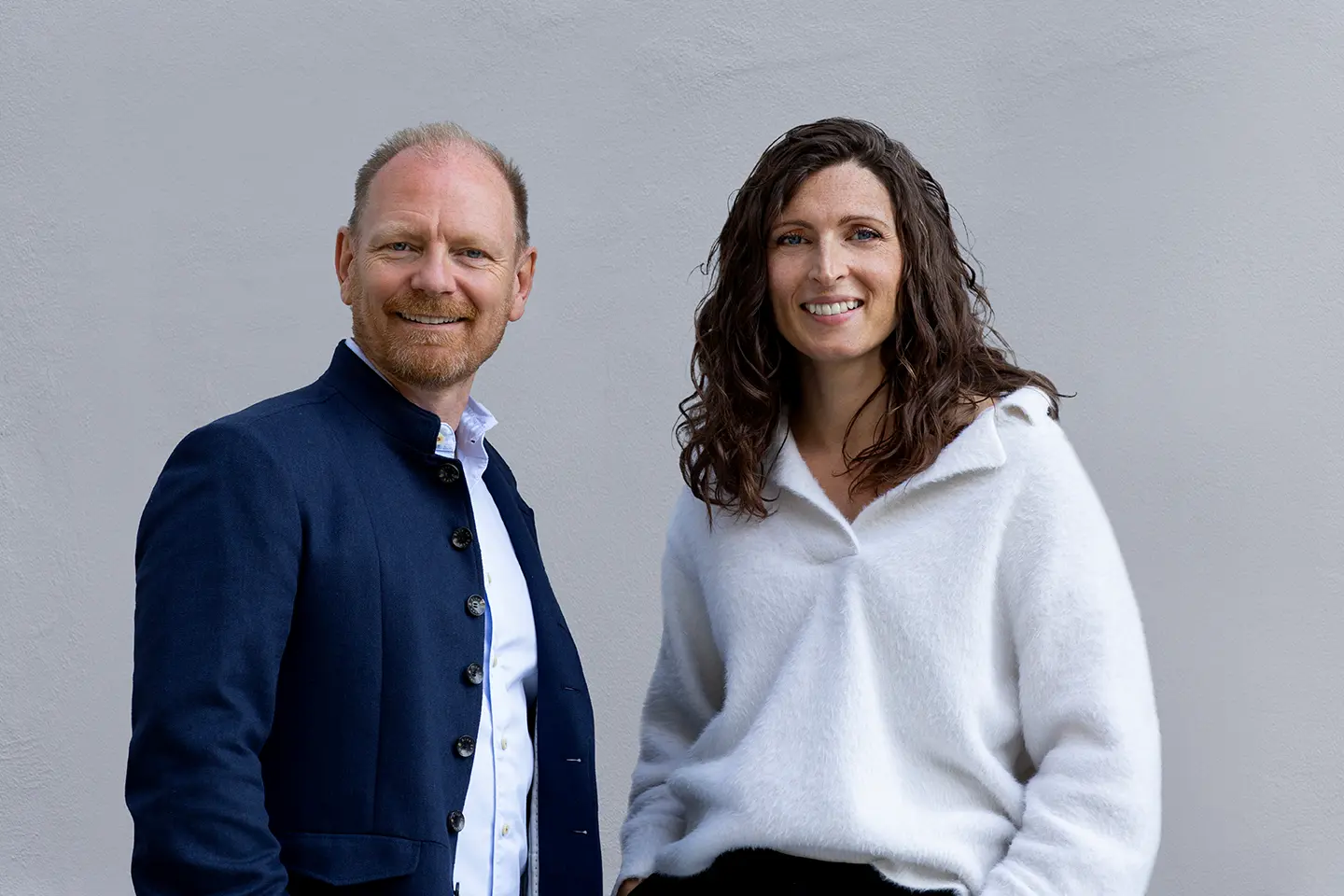
Seeing it all from above
Supervision is about gaining an overview – to “see it all from above.” It is a confidential space where, together with a supervisor and possibly colleagues, you pause and reflect on your practice, your core tasks, and the goals of your work.
The supervision space is closed and subject to confidentiality. Here, there is room to unburden yourself, learn from others, and find new approaches to your work. The supervisor’s role is both to ensure quality and to facilitate a reflective process that creates security and space for thinking aloud. Here, you can learn from both your successes and challenges.
The purpose of supervision is to gain perspective and consider alternative courses of action in difficult situations. Together, you examine how the work affects you and how you can avoid letting cases weigh you down.
Supervision is a place where you can unload and recharge. It’s where you can share frustrations, doubts, and professional concerns, while the supervisor provides you with new perspectives. Together, you reflect and find new angles and ways to handle things – benefiting both you and those you work with.
As needed, supervision can also include instruction in relevant professional concepts and methods, tailored precisely to your situation.
Leadership Supervision
Supervision is also crucial for leaders. As a leader, one often stands alone with decisions and complex emotions, where many perspectives and factors must be considered before acting. A leader must be able to take responsibility for both their own and others’ decisions and be able to motivate and create enthusiasm, even when not necessarily in agreement.
Furthermore, the leadership role involves navigating relationships with both employees and management, so one can support employees while also ensuring that managers receive the necessary backing to succeed.
Unfortunately, many leaders feel they cannot openly share their challenges within the leadership group. Therefore, leadership supervision or coaching can be particularly beneficial – especially for new leaders – and can create a safe space for reflection, support, and development.

The Professional Development Approach
In modern working life, there are many factors to consider: the professional relationship with clients, which is often shaped by their background and the challenges they face, as well as collaboration with external partners. By taking concrete cases and experiences from daily life as a starting point, we elevate the issues to a general level and illuminate them with relevant theoretical insight.
In this way, we can introduce new concepts and theories, making supervision a learning space where new knowledge becomes practically applicable and easy to relate to.
Supervision primarily draws on the employees’ own knowledge and recognizes their expertise and professionalism. Often, special insights emerge in the supervision room when questions are posed in a new way and there is time for deeper reflection. Employees often find that they already possess a large part of the answers to their challenges, which strengthens their professional pride and self-confidence. This is called professional development.
As supervisors, we balance help and challenge: New employees receive concrete support and guidance, while experienced employees are challenged to mature reflection on their practice. For you as management, it provides reassurance to know that employees have a place where they can receive support if something becomes particularly difficult.
Supervision not only provides you with more skilled employees, both theoretically and practically; it also creates a free space where they can share thoughts and feelings about the experiences that affect them in their working lives.

Supervision of Employees
In an organization, supervision often involves an employee presenting a case, problem, or dilemma. With the help of various methods and peer feedback, the employee gains new perspectives and ideas for future courses of action. This helps prevent the employee from getting stuck in a challenge and thus risking the development of stress. Supervision also provides an opportunity for the employee to gain insight into their own reactions, feelings, or patterns that manifest in their work. In this way, one gets the opportunity to observe oneself and share reactions that one might otherwise feel alone with.
Through emotional response and support from the group – achieved through specific methods – the feeling of isolation can be reduced and replaced by a sense of community and belonging. This helps prevent emotional stress. However, this effect is best achieved when the supervision group is kept relatively small.
How Our Approach Creates Value for You
Supervision creates value on several levels. For organizations, it provides an opportunity to strengthen employees’ competencies and improve workplace efficiency.
For the individual employee, supervision contributes to increased self-awareness, better decision-making, and reduced stress. Supervision opens a space for learning, development, and reflection, benefiting both the individual and the organization as a whole.
5 good tips for getting the most out of your supervision:
Supervision of Therapeutic Work
If you are a psychologist with a clinical practice or a therapist in another capacity, regular supervision is both important and helpful.
In supervision, we work in a versatile manner. We look at the current case and examine it through various psychological theories. Additionally, we focus on you as a therapist and as an individual: How does the case affect you, and what can it teach us – both about the case and about your role as a therapist? Our goal is to promote your professional development and strengthen your psychological identity and self-confidence.
At Psykologhuset Enigma, we have various theoretical approaches, so you can choose supervision within one specific direction or combine several. This way, you gain experience with how different therapeutic approaches can offer unique perspectives.
We offer supervision for both authorization and specialist training.
Frequently Asked Questions (FAQ)
A good supervisor is a skilled and experienced professional who possesses expertise in the art of supervision. They must have the ability to listen actively, ask relevant questions, and create a safe and supportive atmosphere. A good supervisor is also able to provide constructive feedback and guidance, as well as help develop the employee’s skills and competencies. Here at Psykologhuset Enigma, Signe, Noomi and Morten are all ready to assist you, both professionally and personally.
Supervision can take place in various ways depending on needs and preferences.
Typically, it involves regular meetings between a supervisor and an employee or a group of employees. These meetings focus on analyzing practice, discussing challenges, and identifying solutions.
Supervision can take place in groups/teams or individually and is best conducted face-to-face, but it can also take place online, depending on what best suits the situation.